Featured
The What Legislation Says Under Bankruptcy Law Ideas
Table of Contents
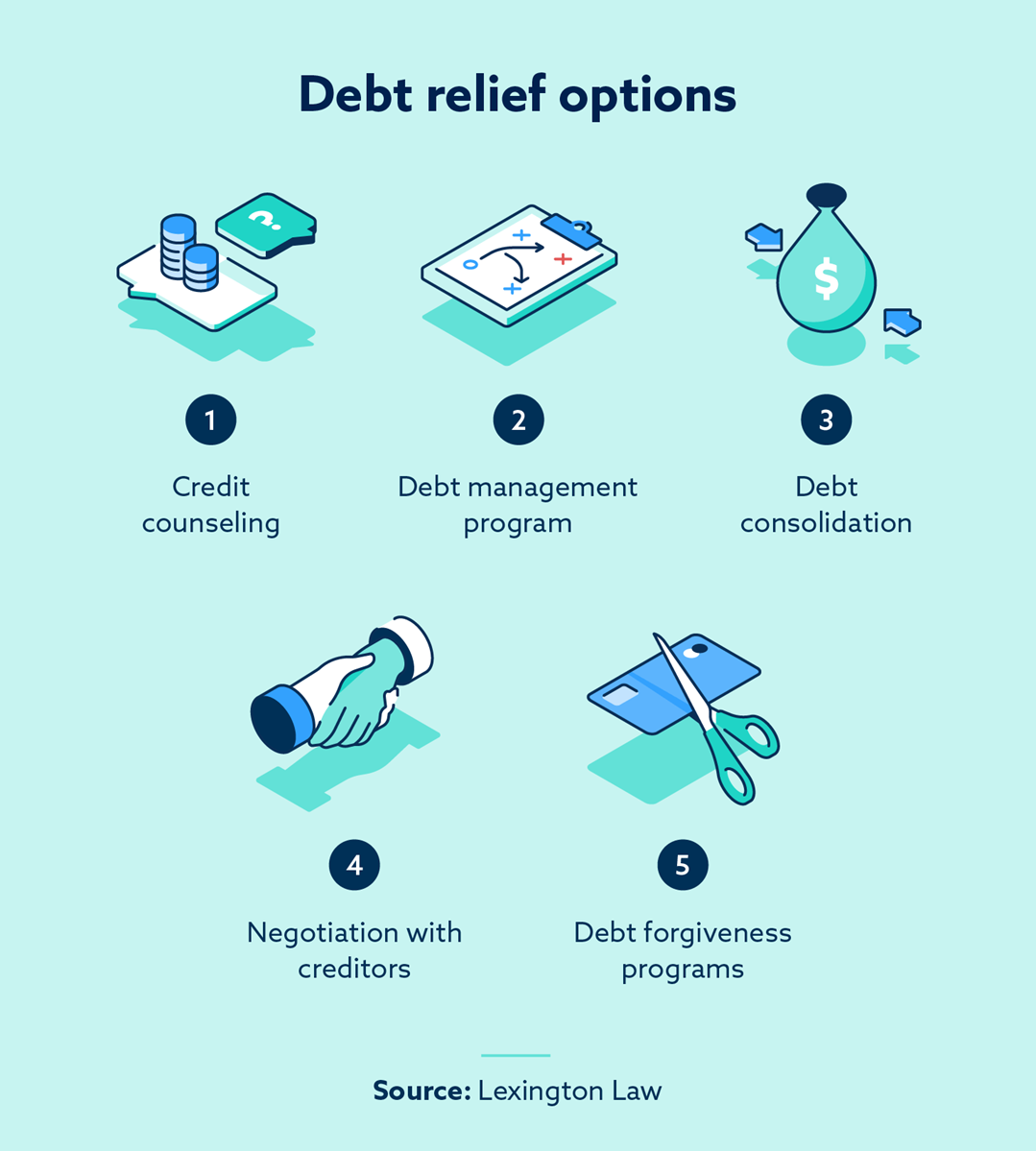
That maximizes cash in the short-term, and you may have 3 to four years to save towards the negotiation amount. Very unsafe to credit report, primarily as a result of missed out on settlements and an unfavorable "cleared up" mark that can remain on your credit rating record for approximately 7 yearsMay be only alternative if other alternatives (financial debt consolidation, balance transfer charge card, debt mercy) aren't possibleTypically needs a fee to the third celebration, which can balance out some or all of the cost savings from financial obligation settlementMay aid you prevent personal bankruptcy if you have actually missed out on a number of paymentsNot all financial institutions collaborate with financial debt negotiation firms Financial debt mercy might be best for you if you are experiencing a monetary hardship that makes it nearly difficult to pay for your financial obligation balances.

With a DMP, you make one month-to-month payment to the credit history therapy firm. Those funds are after that distributed to lenders of your unprotected financial obligations, such as charge card and installment loans. The firm functions with your financial institutions to decrease rate of interest or waive charges, yet some creditors might refuse such concessions.
It can assist you pay down financial debt if you're able to protect a lending rate that's reduced than the average rate of the accounts you're combining. You need to abstain from racking up debt on those recently gotten rid of accounts or your debt could grow even greater.
That offers you lots of time to remove or substantially decrease your balance while making interest-free payments.
The Of Safeguarding Yourself Against Dishonest Operators
You might need it if your lender or a collection firm ever before attempts to collect on the financial debt in the future. When a lender forgives $600 or more, they are called for to send you Form 1099-C.
Financial debt mercy or settlement nearly constantly harms your credit report. Anytime you work out a financial debt for less than you owe, it may look like "settled" on your credit history report and impact your credit history for seven years from the day of negotiation. Your credit rating can also drop significantly in the months leading to the mercy if you fall back on payments.
Fascination About How to Begin with the Debt Forgiveness Journey
Tax obligation debt compromise programs Tax financial debt takes place when the quantity of tax obligations you owe surpasses what you have actually paid. This scenario usually results from underreporting revenue, not submitting returns promptly, or inconsistencies discovered throughout an IRS audit. The repercussions of building up tax debt are significant and can include tax liens, which provide the IRS a legal case to your residential or commercial property as safety and security for the financial debt.
Greater rate of interest on readily available credit rating. Salaries and Bank Accounts IRS can levy (confiscate) earnings and checking account to please the financial obligation. Lowered earnings and interruption of necessary economic processes. Residential property Seizure In extreme cases, the internal revenue service can seize and offer property to cover the financial debt. Loss of useful possessions and prospective variation.
Clinical depression, anxiousness, and other mental health and wellness concerns. Social Stigma Facing lawsuit from the internal revenue service can carry social stigma. Damage to reputation and connections. Work Opportunities A bad credit history because of tax financial debt can limit employment possibility. Trouble finding or keeping a work. Government Advantages Tax obligation financial debt might influence qualification for federal government benefits, such as Social Safety And Security and Medicaid.
Steps You Can Take Following Bankruptcy Fundamentals Explained
The OIC considers numerous variables, consisting of the taxpayer's income, expenditures, asset equity, and capability to pay. Efficiently working out an OIC can be intricate, needing a detailed understanding of the IRS's guidelines and a strong disagreement for why your deal aligns with your capacity to pay. It is necessary to keep in mind that not all applications are approved, and the procedure needs in-depth financial disclosure.
The internal revenue service evaluates your total monetary circumstance, including your revenue, expenses, asset equity, and capacity to pay. You must likewise be present with all declaring and payment needs and not remain in an open bankruptcy proceeding. The IRS also considers your compliance background, assessing whether you have a record of timely declaring and paying taxes in previous years.
Everything to Understand In the Debt Forgiveness Process - The Facts
The application procedure for an Offer in Compromise involves a number of thorough actions. Initially, you need to finish and send internal revenue service Kind 656, the Offer in Concession application, and Kind 433-A (OIC), a collection information declaration for people. These kinds call for thorough economic details, including information concerning your income, debts, costs, and assets.
Back taxes, which are unsettled taxes from previous years, can substantially increase your complete internal revenue service financial debt if not attended to without delay. This financial obligation can accrue passion and late repayment charges, making the initial amount owed a lot bigger with time. Failing to pay back taxes can lead to the IRS taking enforcement actions, such as issuing a tax lien or levy versus your property.
It is essential to resolve back tax obligations as quickly as feasible, either by paying the sum total owed or by setting up a layaway plan with the IRS. By taking proactive actions, you can stay clear of the build-up of additional interest and fines, and stop much more hostile collection activities by the IRS.
One typical reason is the idea that the taxpayer can pay the complete quantity either as a lump amount or via a layaway plan. The internal revenue service likewise considers the taxpayer's income, expenses, property equity, and future earning potential. If these factors show that the taxpayer can pay for to pay greater than the supplied quantity, the IRS is most likely to reject the deal.
The Of Ways How Inflation Impacts Your Debt Repayment Strategy Guarantees Regulatory Compliance
Dealing with IRS debt can be complicated and overwhelming. Tax specialists, such as Certified public accountants, tax lawyers, or registered agents, can supply important support.

Table of Contents
Latest Posts

Not known Facts About How to Not Fall Into the Same Patterns After Debt Relief
A Biased View of Tools Available for Your Financial Recovery Journey

The Ultimate Guide To Understanding Bankruptcy Types and Eligibility
More
Latest Posts
Not known Facts About How to Not Fall Into the Same Patterns After Debt Relief
A Biased View of Tools Available for Your Financial Recovery Journey
The Ultimate Guide To Understanding Bankruptcy Types and Eligibility